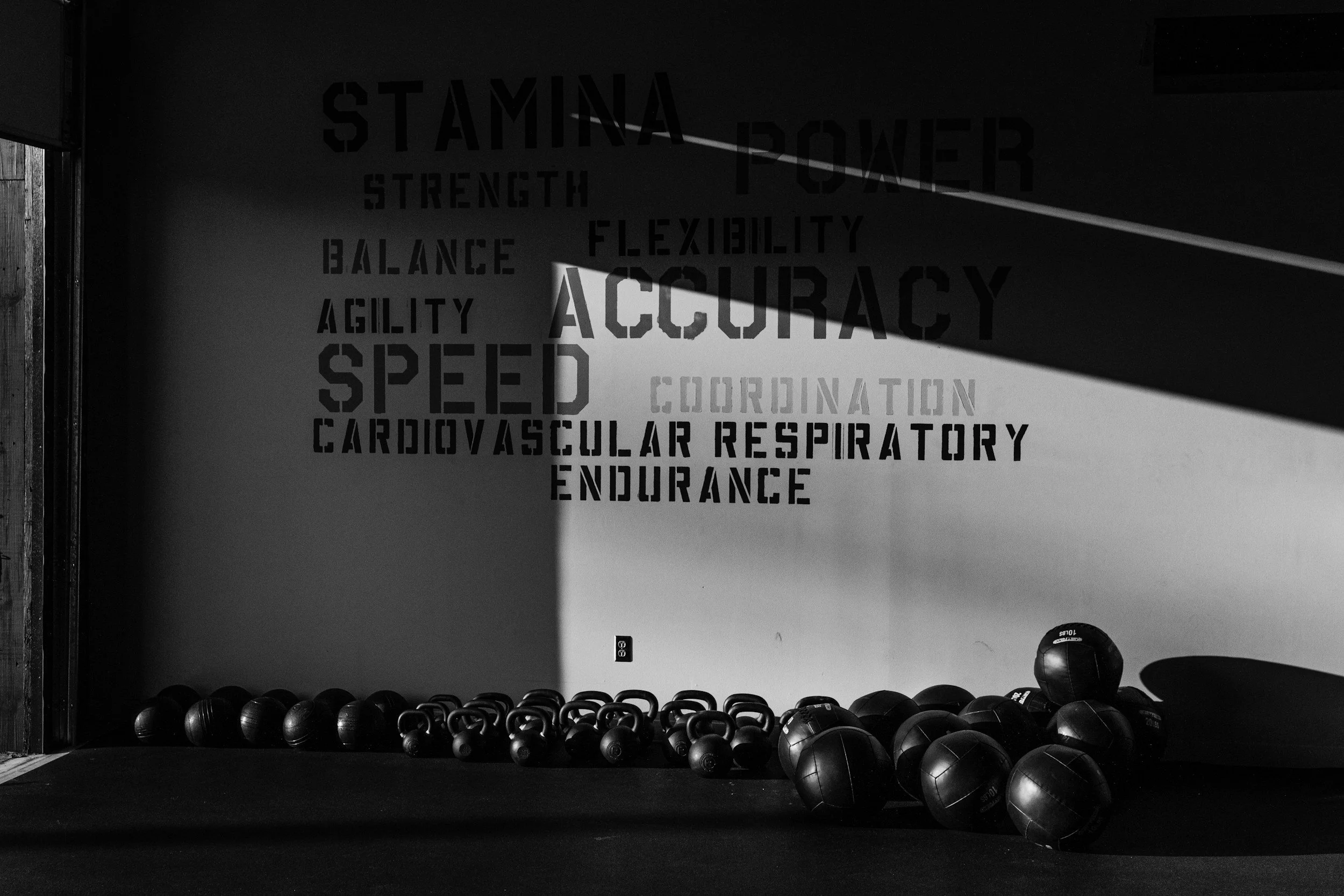
Our Approach to Strength Training
Training With Purpose. Not Just working out

Train with purpose
You made it to the gym. You sacrificed something to be here. Make it count.

You gave up sleep, downtime, family time, or work to walk through that door. That matters. And it means the 30-40 minutes you have needs to mean something — not just going through the motions, not just checking a box, but training with genuine intention.

At Metabolic Running, the mindset we bring into every session is simple: lift with purpose, beat your numbers, and think about what's actually happening in your body. Your brain is sending motor signals to your muscle fibers telling them to contract and squeeze. When you do that deliberately — when you feel the muscle working and push past the point where your body wants to stop — that's where adaptation happens. That's where you get stronger.

The gym isn't punishment. It's not extra credit. It's one of the most powerful tools you have for becoming a better runner — and we treat it that way.
Built for Runners. Refined for racing
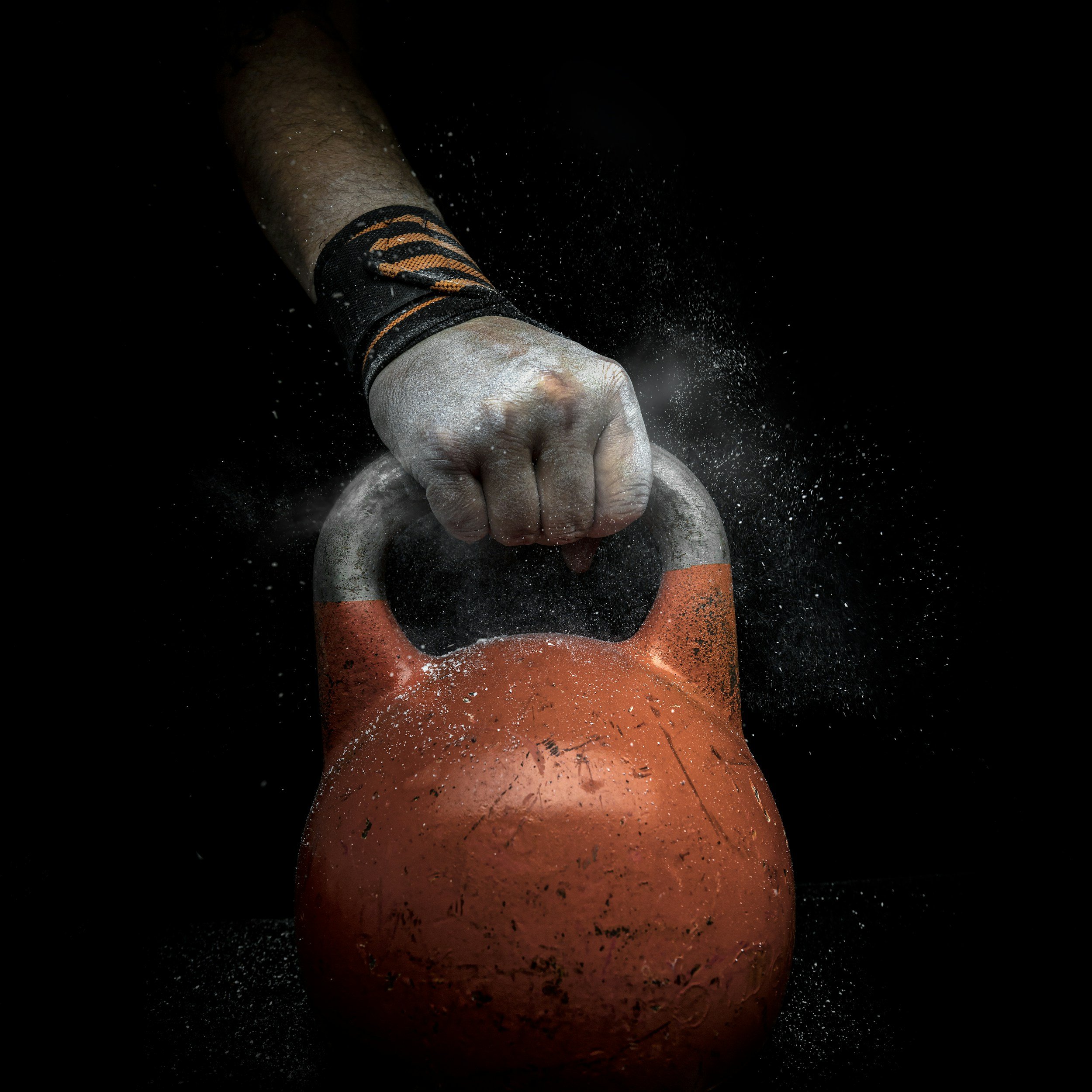
These programs weren't built in a boardroom. They were built in the gym, then taken straight to the roads.

Since 2024, every session in the Metabolic Running strength system has been programmed, tested, and refined in real time. Program it, do it, come back and fine-tune it. That process has produced something specific — not a generic lifting plan with a running label slapped on it, but a system built from the ground up for people who run and want to look and feel like they train.

Strength training is one of the most underutilized tools for body composition in the endurance world. Runners chase miles and cut calories. What actually changes your body is building lean muscle while fueling properly — and that's exactly what this system is designed to do. More muscle means a higher resting metabolic rate, better insulin sensitivity, and a body that's more efficient at using fuel. You become leaner not by doing more, but by building something worth fueling.

The full program runs across 4 days in the gym. It's flexible — adjustable for experience level and personal goals — but the framework stays consistent because the framework works. We're building fatigue resistance, protecting your joints and tendons, improving body composition, and developing the muscular durability that shows up in the final miles when everything starts to break down.

Faster. Leaner. Stronger. That's the outcome.
The GPP | your running foundation
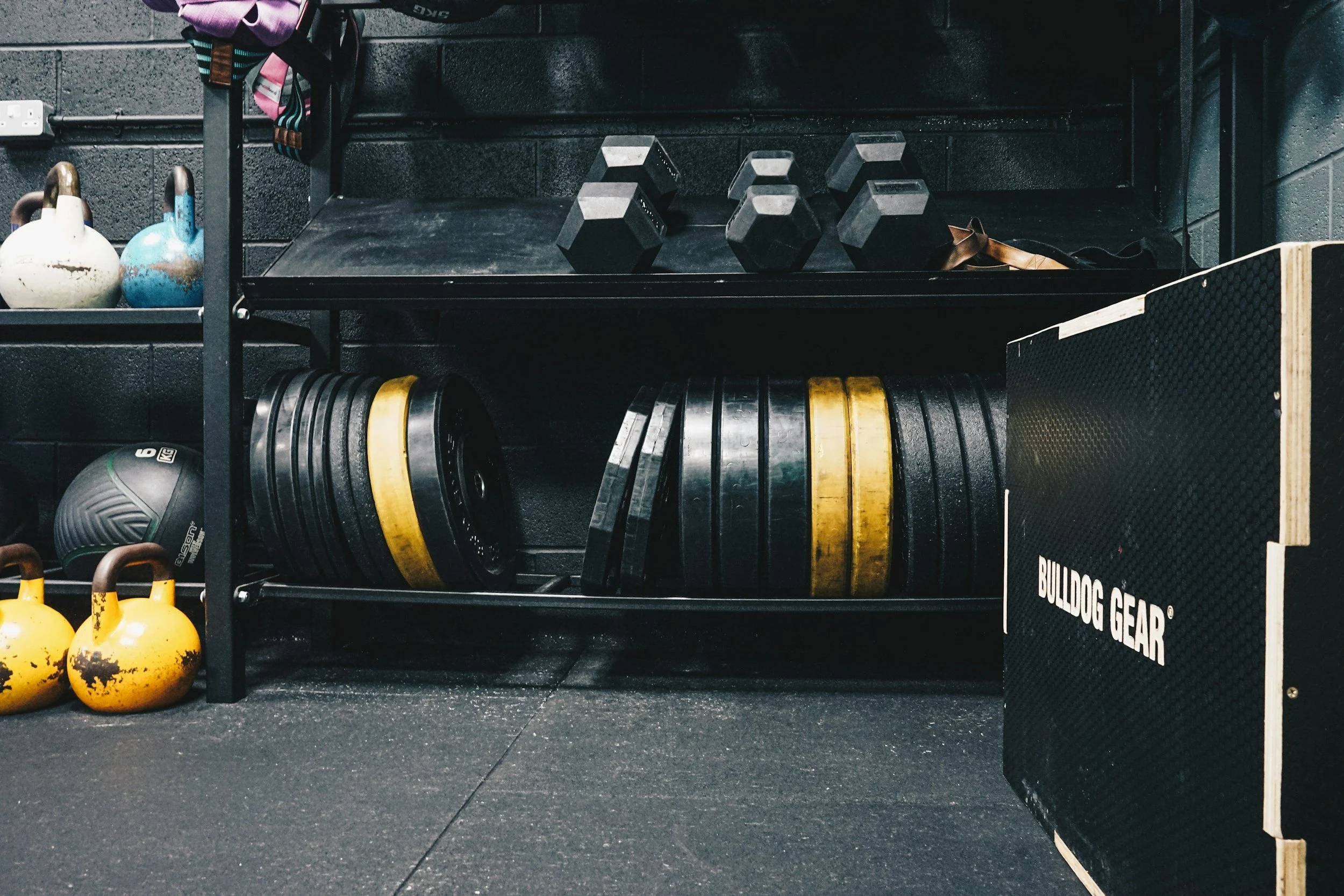
Every session starts here. 10-15 minutes that pay dividends for miles.

GPP stands for General Performance Program — and it's the piece most runners are missing entirely. Before every lift, you're spending 10-15 minutes building the foundation that keeps you healthy, efficient, and durable on the roads.

It's not a warmup for the sake of warming up. Each GPP session has a specific target, and across your four training days they rotate through the areas that matter most for runners.

Two of the four sessions are leg-focused — single leg circuits targeting the muscles, tendons, and ligaments that take the most stress during endurance training. The imbalances and weaknesses that turn into injuries don't show up on easy days. They show up at mile 18. We address them here.

One session is runner's core — isometric work building the deep stability that improves your running economy, your gait, and your fatigue resistance over long efforts. A strong core isn't just about aesthetics. It's the foundation everything else runs on top of.
The fourth is a weighted abdominal session — progressive overload applied to your midsection, building real strength through the anterior chain that transfers directly to performance.

These reps add up. Week after week, they address the small niggles before they become real problems, and they activate your nervous system so you walk into your lift already primed and ready to move.
THE LIFTING STRUCTURE | JUST TWO HARD SETS

There's a psychological advantage to simplicity. We use it deliberately.

After your GPP, the lifting portion of the session takes 20-25 minutes. No bells and whistles required. What is required is intensity, intention, and a number to beat from last week.

Each session is built around three supersets.

The first is your warm-up superset — two sets designed to push blood into the muscle and prime it for what's coming. We're not taxing the nervous system here. We're preparing it.

The second is where it gets serious. A strength superset of three sets built around one big compound movement — working up to a 6-rep max. This is the set you come in for. This is where you watch your numbers climb week after week and feel your body adapting in real time. As training progresses and race day approaches, this gets modified — but the principle stays the same: beat last week, build the trend.

The third superset shifts to muscular endurance. High volume, high intensity, priming the muscle to resist fatigue — because the marathon doesn't care how strong you are if you fall apart after mile 20.

The philosophy across all of it is "just two hard sets." It's a psychological tool as much as a training one. Telling yourself you only have to do something twice — really hard, with full intention — removes the mental resistance. You go all in because the finish line is close. And that's where the adaptation lives.

Beat your numbers. Build the trend. Move on.
Why it Matters on Race Day
Everyone has been there. Falling apart on the back half of a race because the body gave out before the mind did.

There is a specific kind of awful that comes from breaking down in the final miles of a race. Your calves seize. Your hips stop firing. Your form collapses. And you know — you know — that it wasn't your fitness that failed you. It was your durability.

We've crossed finish lines thinking: if I just did more calf raises, maybe my calves would have held up. If I'd built more strength in my posterior chain, maybe I could have negative split instead of survival shuffled the last 10K. That experience is what shaped this program.

The half marathon and the full marathon are designed to break you down. That's not a flaw in the distance — that's the challenge. The question isn't whether you'll face that breakdown. The question is how much you've built in the months before that moment arrives.
Fatigue resistance, tendon and joint integrity, muscular endurance — these aren't gym goals. They're race day insurance. Every single leg circuit, every weighted core session, every high-rep endurance superset is depositing into an account you'll draw from when it matters most.

The runners who finish strong in the back half aren't just fitter. They're stronger. And strength is built in the gym, long before the starting gun fires.
THE BRAIN GOVERNOR — WHERE REAL ADAPTATION HAPPENS
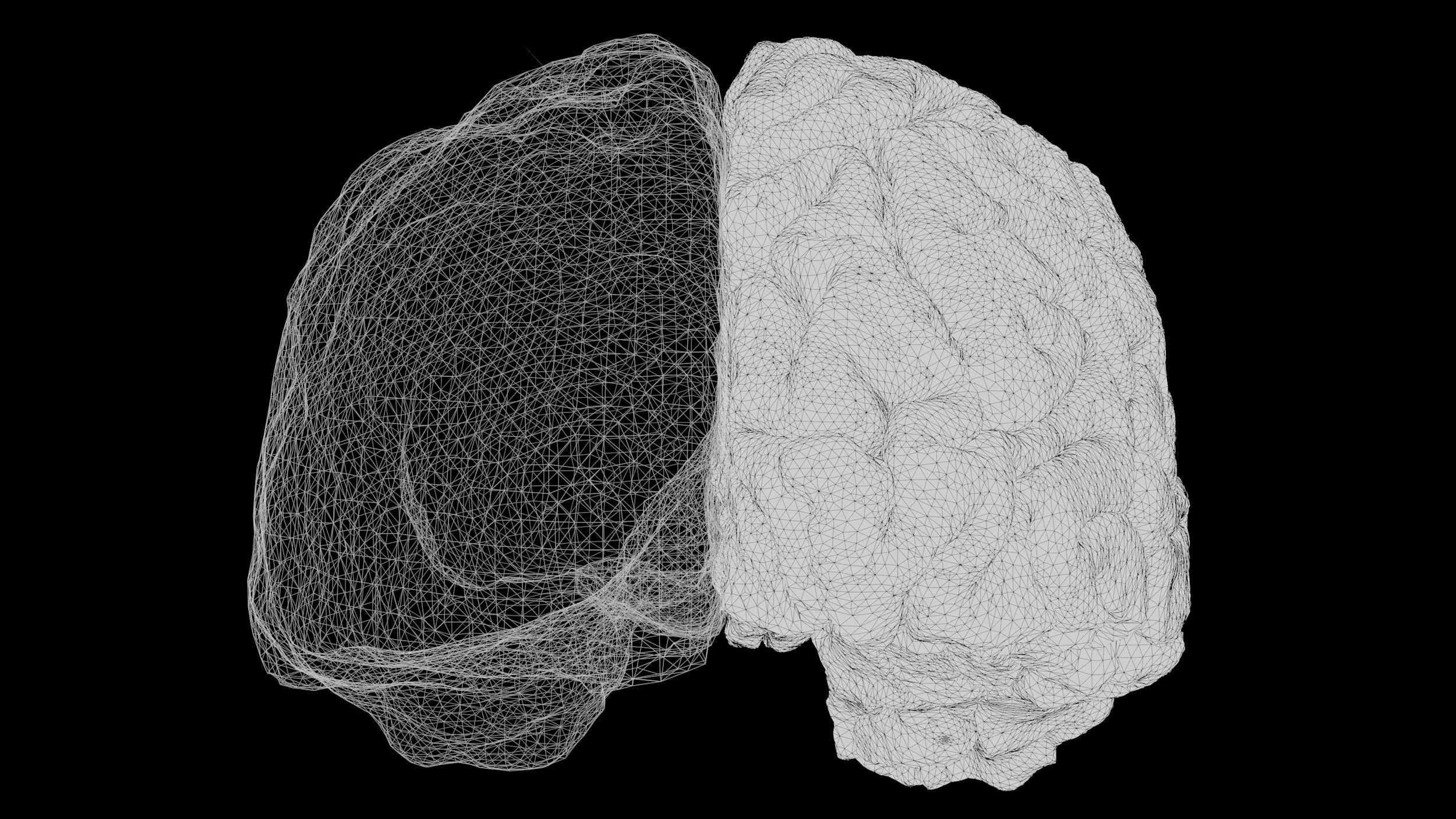
Your body can handle more than your brain will allow. The goal is to close that gap.

Alex Hutchinson's book Endure is required reading in this world. Two lines from it live at the center of everything we do in the gym:

"Endurance is the struggle to continue against a mounting desire to stop."

"Although some limits we experience feel physical, many are dictated by the brain. That doesn't mean we can ignore those limits, but we need to realize they are more changeable than we think."

Your brain is a governor. Its job is to protect you — to make you stop before you're actually done. And in both running and strength training, learning to work past that signal is where real growth happens.

Progressive overload is the tool we use to do it. When you have an objective number to hit — not a feeling, not a vague effort, but an actual weight and rep target from last week — you give your brain a specific door to walk through. Athletes consistently surprise themselves when they have data to chase rather than discomfort to manage.

This is why we track everything. This is why we celebrate personal bests. This is why "just two hard sets" works — because a defined target is easier to commit to than an open-ended grind. The adaptation that makes you a better runner, a leaner athlete, and a more durable racer lives just past the point where your brain says stop.

Sounds a lot like training for a marathon, doesn't it?
Ready to get stronger?
Book your free consultation and let’s get started.
The running. The nutrition. The strength. It all works together — and it starts with a conversation.
Full Build athletes get the complete system: personalized nutrition, structured running coaching, and the full strength program built around their goals and race timeline. Race Ready athletes get the running and strength coaching to PR their next race.
Either way — you stop guessing and start building.